

Bergen County offers a range of drug rehab centers catering to those seeking addiction recovery. Understanding addiction is key, as it’s a complex disease affecting millions. This article explores how Bergen County residents can navigate the process of finding suitable rehab centers, delving into admission procedures, treatment methods, and aftercare support crucial for long-term sustainability in addiction recovery.
- Understanding Addiction and Recovery in Bergen County
- Identifying Suitable Drug Rehab Centers
- The Process of Admission and Treatment
- Aftercare Support and Long-term Sustainability
Understanding Addiction and Recovery in Bergen County
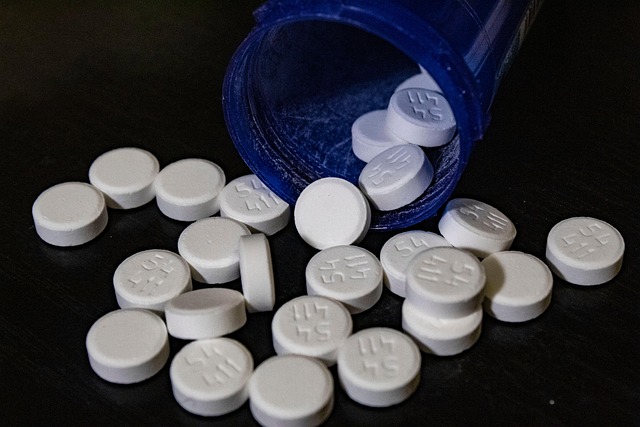
Understanding Addiction and Recovery in Bergen County plays a pivotal role in addressing the growing challenges posed by Substance Use Disorder (SUD). According to recent studies, Bergen County substance use disorder rates have been on the rise, underscoring the need for comprehensive addiction recovery services. Centers like Valley Spring Recovery Center have stepped up to meet this demand, offering tailored programs aimed at treating both the physical and psychological aspects of addiction.
These facilities employ expert professionals who utilize evidence-based methodologies to help individuals navigate their path to recovery. By recognizing that each person’s journey is unique, they provide personalized support, counseling, therapy, and aftercare services. This holistic approach, focused on addressing underlying causes, empowers those struggling with addiction to overcome their challenges and reclaim their lives.
Identifying Suitable Drug Rehab Centers

When looking for a drug rehab center in Bergen County, identifying one that aligns with your specific needs is crucial for successful addiction recovery. It’s important to consider factors such as the type and severity of substance use disorder, personal preferences, and available resources.
Valley Spring Recovery Center stands out as a premier option for Addiction Treatment In Bergen County, NJ. Specialized programs tailored to address various aspects of addiction make it an ideal choice. The center’s approach focuses on holistic healing, combining medical care with therapeutic interventions to support individuals in overcoming their substance use disorder (Bergen County substance use disorder).
The Process of Admission and Treatment
The process of admission at Bergen County drug rehab centers is designed to be supportive and non-judgmental. Potential clients are encouraged to reach out and contact the facility directly, where they can speak with an admissions counselor. This initial conversation allows for a thorough assessment of the individual’s needs, including their history with substance use disorder (SUD), co-occurring disorders, and personal goals for recovery. Once it is determined that the center is a suitable fit, the admission process begins.
At Valley Spring Recovery Center, for instance, this involves completing an application, providing relevant medical records, and discussing treatment options. The center offers various programs tailored to different needs, including inpatient care, outpatient therapy, and aftercare support. The treatment journey focuses on comprehensive addiction treatment in Bergen County, NJ, addressing both the physical and psychological aspects of SUD. Through individualized plans, clients work towards long-term recovery, gaining the tools and coping mechanisms needed to maintain sobriety.
Aftercare Support and Long-term Sustainability

After completing an initial phase of addiction recovery at a specialized center like Valley Spring Recovery Center, individuals often face the challenge of maintaining their sobriety in the long term. This transition period is crucial for sustained healing and can be facilitated through comprehensive aftercare support services. Many Bergen County substance use disorder treatment programs recognize this need and offer ongoing assistance to ensure clients’ success beyond their time at the facility.
Addiction treatment in Bergen County, NJ, goes beyond detoxification and therapy sessions. Aftercare programs aim to equip individuals with the tools and resources needed to manage triggers, develop healthy coping mechanisms, and integrate into supportive communities. This may include ongoing counseling, peer support groups, lifestyle adjustments, and access to resources for housing, employment, and continued mental health care. By addressing the holistic aspects of recovery, these programs enhance the likelihood of long-term sustainability and a fulfilling life free from addiction.